How does Tokenization of ownership reshape asset control?
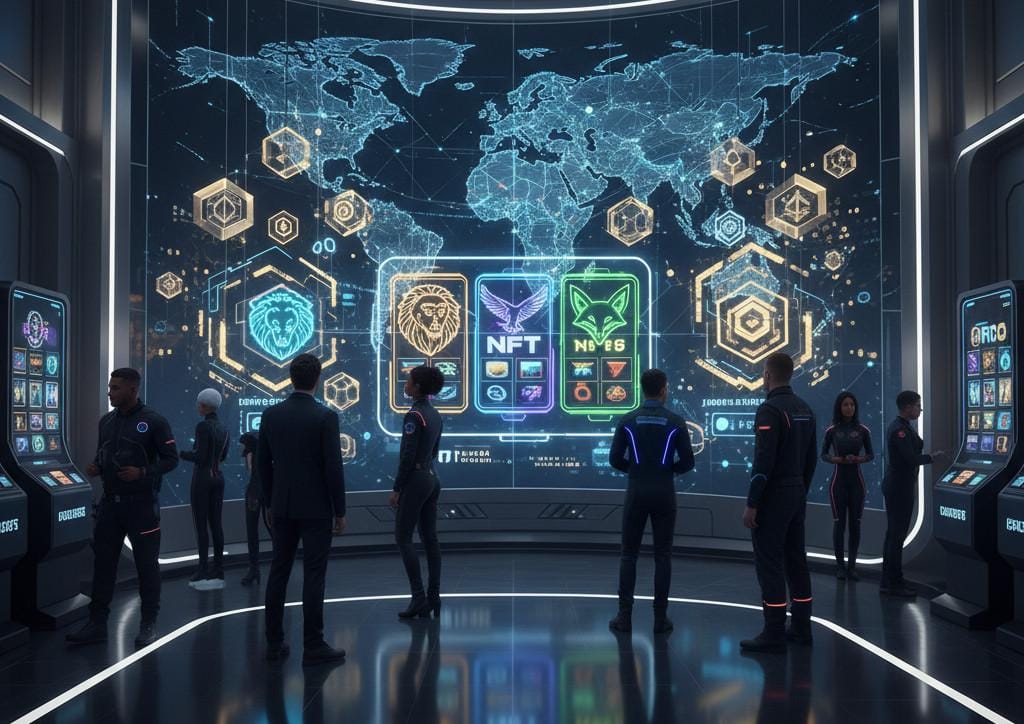
Tokenization of ownership: How digital tokens remake asset control
The way we claim, trade, and prove value is shifting fast. Tokenization of ownership turns assets into cryptographic tokens, making rights verifiable and portable. Today, games, art, and real estate can become fragmentable digital shares on blockchains. This change feels vivid, almost cinematic, because ownership moves from analogue boxes to transparent ledger rows.
In animal-themed casinos and NFT slots, tokenized in-game assets let players truly own rewards. As a result, players can sell, lend, or combine assets across platforms. Moreover, developers can craft economies that reward long-term engagement. This new model aligns incentives and creates secondary markets.
However, the shift raises design, legal, and liquidity questions that deserve scrutiny. Therefore, this article explores token design, on-chain gaming mechanics, and economic implications. It will also show how stablecoins and treasury tools bridge players and institutions. Read on to see how tokenization rewrites the rules of play.
How Tokenization of ownership works in practice
Tokenization turns rights in real world and digital goods into tradable digital assets. Because blockchains record ownership, tokenization makes claims verifiable and portable. As a result, players, collectors, and investors can transfer slices of value without middlemen.
What gets tokenized
Tokenization applies to many asset types, including:
- Real estate and land titles
- Art and collectible works
- In game items, skins, and NFT slots
- Shares in private companies and funds
Core mechanics
First, a creator or custodian mints a token on a blockchain using a smart contract. Next, the smart contract encodes rights, such as dividends or voting. Then the token can be split into fractional ownership units. Finally, markets list the token so buyers can trade it.
Key steps at a glance
- Minting and metadata creation on chain using standards like ERC 721 or ERC 20
- Fractional ownership so many people can hold parts of one asset
- Custody and legal wrappers to link tokens to off chain assets
- Marketplaces and liquidity mechanisms to price and trade tokens
A simple example
Imagine a vintage painting. A gallery tokenizes the painting and issues one hundred tokens. Investors buy tokens and gain proportional economic rights. As a result, liquidity emerges where none existed before.
Sandeep Nailwal captures the potential well when he said, "Tokenization represents a once in a generation opportunity to open access to people who have been excluded for decades."
For technical context, smart contracts run on blockchains such as Ethereum, which documents developer guides at Ethereum Developer Guides. Moreover, DeFi tools can unlock collector liquidity and market access, as explored in DeFi Adoption and Liquidity. For bridging institutions to on-chain treasuries see Bridging TradFi to DeFi. Finally, projects that link token rules to compliance can learn more from Compliance and Data Intelligence.
Comparison: Traditional ownership vs Tokenization of ownership
| Attribute | Traditional ownership | Tokenization of ownership |
|---|---|---|
| Liquidity | Low; illiquid without brokers | High; tradable on secondary markets |
| Accessibility | Limited to accredited buyers or local markets | Open to global participants with internet |
| Divisibility | Hard to split assets | Easy fractional ownership through tokens |
| Transparency | Records kept in private ledgers | Publicly verifiable on blockchain |
| Transaction speed | Days to weeks; paper processes | Near-instant settlement on-chain |
Benefits and challenges of Tokenization of ownership
Tokenization of ownership unlocks new business models and user experiences. It converts rights into digital assets, which opens markets and lowers barriers. As a result, creators and players can monetize value in novel ways.
Benefits
- Improved asset liquidity because tokens trade on secondary markets. As a result, collectors and small investors can buy and sell parts of assets easily.
- Greater accessibility because anyone with internet access can participate. This expands pools of capital and diversifies ownership.
- Fractional ownership allows many people to hold slices of expensive items. Therefore expensive assets become affordable to more buyers.
- Transparency through blockchain technology makes ownership records auditable and hard to tamper with.
- New revenue streams for creators and platforms via royalties and programmable fees.
Challenges and risks
- Regulatory considerations remain unresolved in many jurisdictions. For example, securities rules may apply to tokenized shares.
- Legal clarity is needed to link on chain tokens to off chain rights. Custody and legal wrappers add complexity.
- Market liquidity is not guaranteed, because platforms can remain thin. Therefore tokens may still trade infrequently.
- Technical risks include smart contract bugs and chain congestion. Developers must design secure, scalable contracts.
- User experience and custody remain hard for mainstream users. Wallets, keys, and recovery create friction.
Expert insight and data
Sandeep Nailwal emphasizes the social potential. He said, "Tokenization represents a once in a generation opportunity to open access to people who have been excluded for decades." This view highlights inclusion as a core benefit.
Practical links and further reading
For how DeFi can unlock collector liquidity, see this article.
To learn how treasuries and institutions can bridge to on chain tools, read this resource.
For compliance tooling that ties communication data to rules, see this guide.
For technical smart contract guidance, visit this webpage.
In short, tokenization offers powerful gains in asset liquidity and access. However, it will succeed only if teams solve legal, technical, and user experience problems.
Conclusion: Tokenization of ownership and what comes next
Tokenization of ownership has changed how we think about rights and markets. It converts physical and digital things into verifiable tokens on blockchains. As a result, ownership becomes portable, divisible, and programmable. This article showed how games, art, and real estate can gain liquidity and broader access.
The practical gains are clear. Fractional ownership makes expensive assets affordable. Secondary markets can emerge for previously illiquid items. Moreover, blockchain technology can make record keeping auditable and resilient. New revenue paths appear for creators and platforms.
However regulatory considerations and technical limits remain. Legal frameworks must link tokens to off chain rights. Smart contract bugs and thin markets can harm users. Therefore builders must prioritize compliance, security, and user experience. Only then will mainstream participants trust tokenized systems.
Looking ahead the impact will spread across industries. Gaming and NFT economies will deepen player ownership. Real estate and private markets may adopt tokenization for funding and liquidity. Institutional treasuries and stablecoins will help bridge tradfi and crypto. Ultimately tokenization of ownership is a tool for inclusion and innovation. With careful design it can remake markets and open new forms of value exchange.
Frequently Asked Questions (FAQs)
What is Tokenization of ownership?
Tokenization of ownership converts rights into digital tokens on a blockchain. This makes ownership verifiable, portable, and divisible. As a result, people can trade slices of assets without traditional intermediaries.
How do digital assets, blockchain, and smart contracts make this work?
Blockchain records token ownership immutably. Smart contracts encode rights and transfer rules automatically. Therefore transactions settle faster and with greater transparency.
What are the main benefits?
- Improved asset liquidity through secondary markets.
- Greater accessibility for global participants.
- Fractional ownership that lowers cost barriers.
- Programmable revenue streams for creators.
What are the main challenges and regulatory considerations?
- Legal clarity is often missing for linking tokens to real rights.
- Regulatory considerations can classify tokens as securities.
- Technical risks include smart contract bugs and network congestion.
- Custody and user experience remain barriers for mainstream users.
How will tokenization shape the future?
Tokenization should broaden access to assets like real estate, art, and game items. Moreover, institutional treasuries and stablecoins will help bridge traditional finance. In short, careful design and clear rules will decide how fast adoption occurs.